Best Gym Shorts for Workouts: Comfort, Fit & Performance Guide
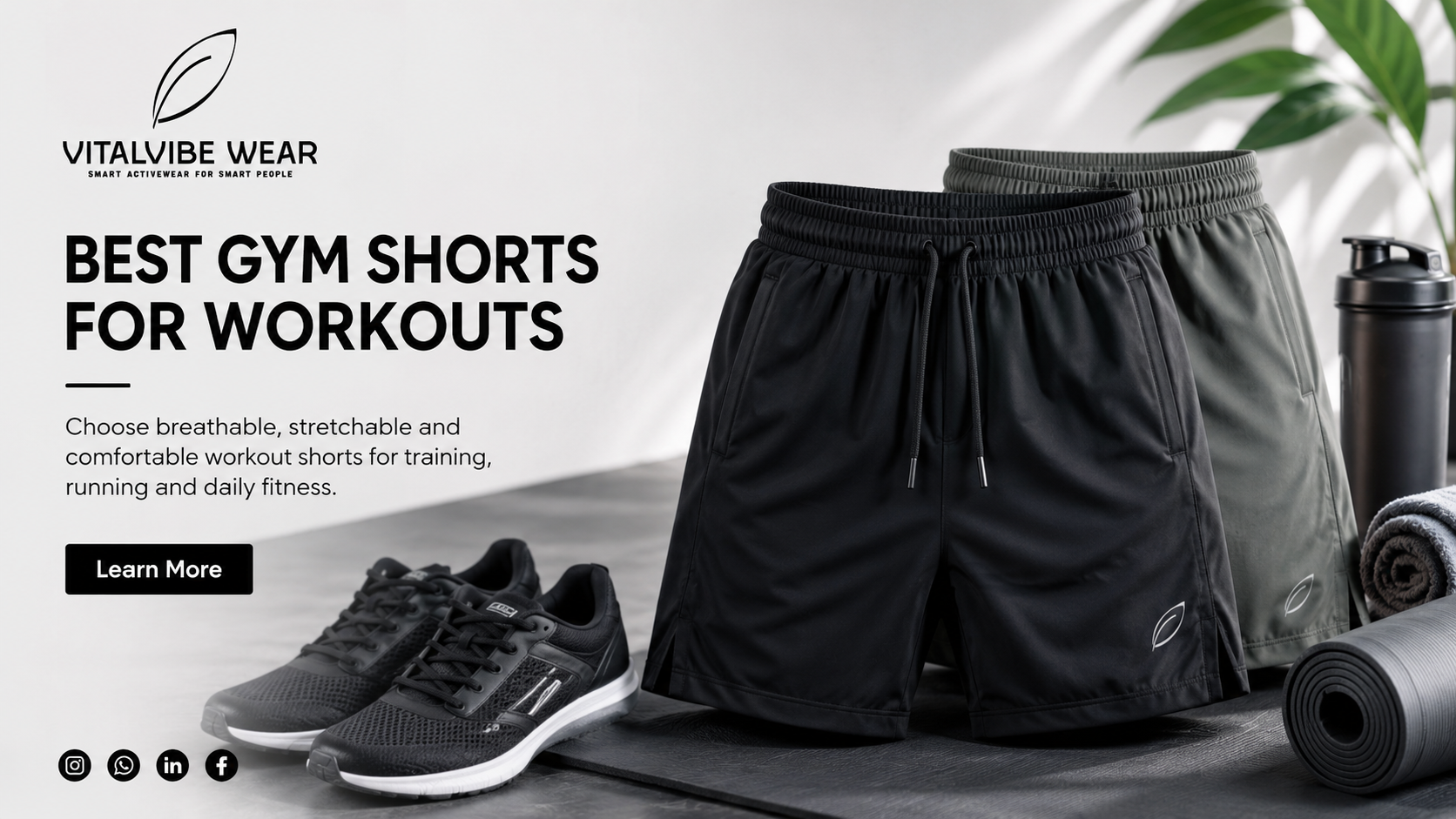
Choosing the right gym shorts may look simple, but once you start working out regularly, you realize how much difference the right pair can make. Good gym shorts should not only look stylish. They should help you move freely, manage sweat, feel comfortable, and stay confident during your workout.
Whether you are lifting weights, running, doing HIIT, training legs, walking outdoors, or following a daily fitness routine, your shorts should support your movement instead of creating discomfort. The wrong pair can feel too tight, too loose, too heavy, or uncomfortable when you sweat.
That is why choosing the best gym shorts for workouts is important. In this guide, we will explain what makes a good pair of workout shorts, which fabric works best, what length you should choose, and how to pick gym shorts based on your training style.
What Makes Gym Shorts Good for Workouts?
A good pair of gym shorts should feel comfortable from the first set to the last. When you are working out, your body moves in different ways. You squat, stretch, run, bend, jump, lift, and sometimes sweat heavily. Normal casual shorts may not be designed for all this movement.
The best gym shorts are made with activewear in mind. They should be lightweight, breathable, stretchable, and easy to wear for long periods. They should not restrict your thighs during squats or feel heavy after sweating.
The most important things to check are fabric, fit, length, waistband, stitching, and sweat control. If your gym shorts have these basics right, your workout feels much smoother.
Breathable fabric helps air pass through the shorts, which keeps you more comfortable during training. Sweat-wicking fabric helps pull sweat away from the body so the shorts do not feel wet and sticky. Stretchable fabric gives you better movement during exercises like lunges, squats, leg press, stretching, and functional training.
A comfortable waistband is also important. If the waistband keeps slipping or feels too tight, it can distract you during exercise. Pockets are useful too, especially if you carry a phone, keys, card, or earbud case.
In simple words, good gym shorts should feel light, move with your body, and support your workout without making you think about what you are wearing.
Best Gym Shorts for Different Workout Types
Not every workout needs the same type of shorts. The best gym shorts for workouts depend on how you train. Someone who runs daily may need lightweight quick-dry shorts, while someone who lifts weights may need stretchable and slightly stronger training shorts.
Here is how to choose based on your workout style.
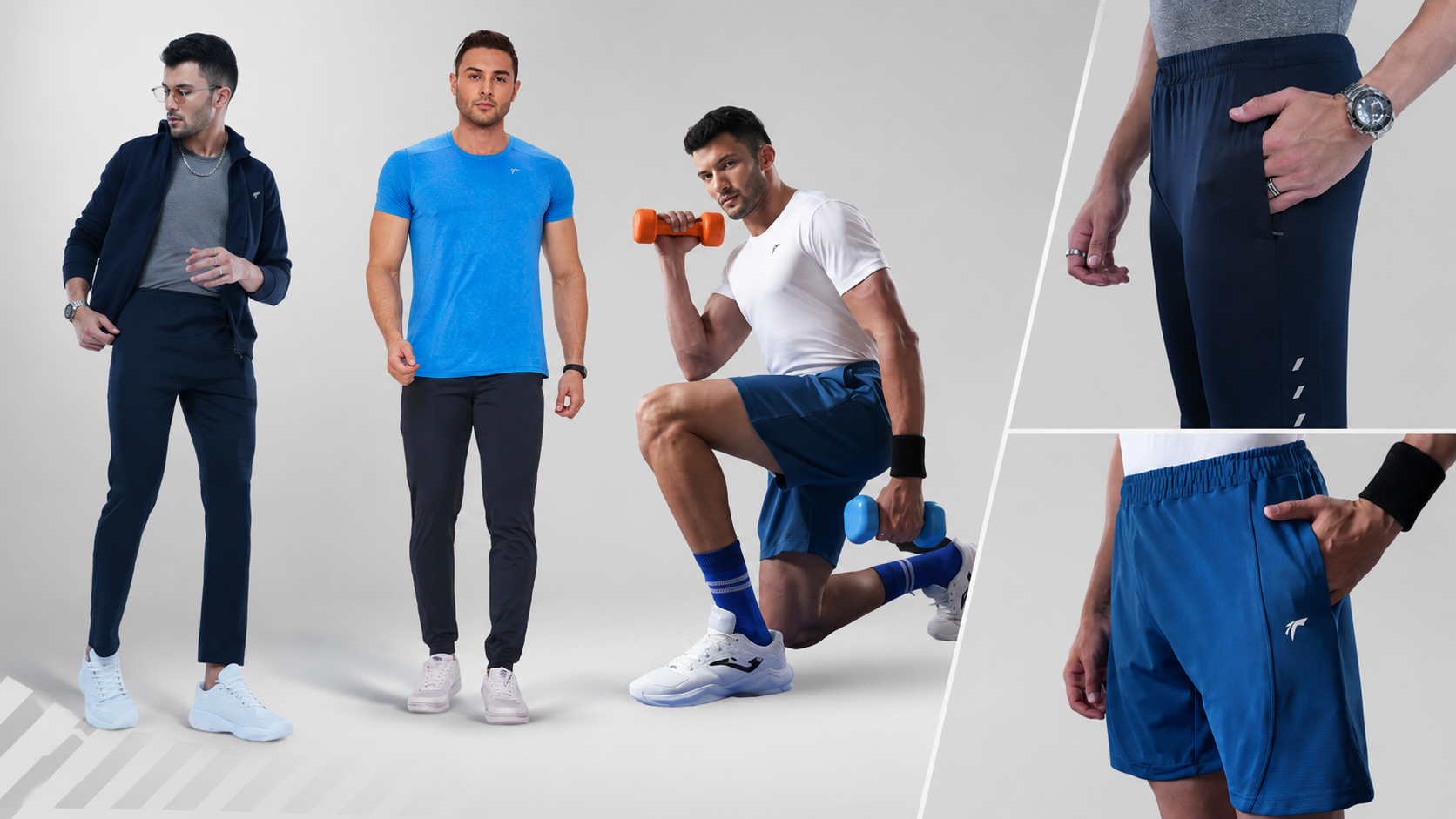
Best Gym Shorts for Weight Training
For weight training, your gym shorts should provide comfort, coverage, and flexibility. During weight training, you perform movements like squats, deadlifts, lunges, leg press, bench press, shoulder press, and machine exercises. Your shorts should not feel tight around the thighs or restrict your range of motion.
Stretchable gym shorts are a good choice for weight training because they allow you to move naturally. A medium-length short is usually better because it gives enough coverage while still allowing flexibility.
The fabric should also be strong enough for regular use. If the material is too thin or poorly stitched, it may not feel reliable during heavy training. Look for shorts with a secure waistband, smooth stitching, and enough stretch for lower-body exercises.
For weight training, the best workout shorts are the ones that stay in place and allow you to focus on your form.
Best Gym Shorts for Running
Running needs a different type of comfort. When you run, your legs move continuously, and heavy shorts can quickly become uncomfortable. For running, lightweight gym shorts with quick-dry fabric are usually the best choice.
Running shorts should feel airy, soft, and easy to move in. They should not stick to your skin when you sweat. If you run outdoors or use the treadmill often, breathable and sweat-wicking gym shorts can make a big difference.
Pockets also matter for runners. A zip pocket or secure phone pocket can be useful if you carry your phone, keys, or small essentials. However, the pocket should not bounce too much while running.
For running, choose shorts that feel light, dry fast, and allow a natural stride.
Best Gym Shorts for HIIT and Functional Training
HIIT workouts include fast and intense movements like jumping jacks, burpees, mountain climbers, high knees, box jumps, sprints, kettlebell swings, and bodyweight exercises. These workouts can make you sweat quickly, so your shorts must handle movement and sweat at the same time.
For HIIT, stretchable and sweat-wicking gym shorts work very well. Some people also prefer 2-in-1 gym shorts because the inner lining gives extra support during high-movement training.
The shorts should not ride up too much or feel loose during jumps. They should also not be so tight that they limit movement. A balanced fit is best.
For HIIT and functional workouts, choose gym shorts that offer flexibility, support, and sweat control.
Best Gym Shorts for Leg Day
Leg day is where many normal shorts fail. Exercises like squats, lunges, leg press, Romanian deadlifts, hip thrusts, and split squats need full lower-body movement. If your shorts are too tight, they can pull around the thighs. If they are too loose, they can feel uncomfortable during deep movements.
The best gym shorts for leg day should have stretch, strong stitching, and a comfortable waistband. The fabric should move with your body without feeling restricted.
Shorts with spandex or elastane blend can be helpful because they give better flexibility. A 7-inch length is often a good choice for many men because it gives a balance between coverage and movement.
For leg day, always choose movement-friendly shorts over fashion-only shorts.
Best Gym Shorts for Daily Fitness and Casual Wear
Many people want gym shorts that they can wear beyond the gym. If you go for walks, travel, run errands, or prefer an active lifestyle, activewear shorts can be a smart choice.
Daily fitness shorts should be comfortable, stylish, and easy to pair with different outfits. They should work well with workout t-shirts, tank tops, hoodies, sneakers, and casual activewear.
For daily use, choose gym shorts that are not too sporty or too plain. A clean design, good fit, and comfortable fabric make them easy to wear for both workouts and casual plans.
This is where activewear shorts become more useful than regular shorts. They are designed for movement but still look neat enough for everyday wear.
Which Fabric Is Best for Gym Shorts?
Fabric is one of the most important things to check before buying gym shorts. The fabric decides how the shorts feel during sweat, movement, washing, and regular use.
For workouts, performance fabric blends usually work better than heavy cotton. Polyester, nylon, spandex, and elastane blends are common in activewear because they are lightweight, durable, and easy to move in.
Polyester blends are popular because they dry faster and handle sweat better than cotton. Spandex or elastane adds stretch, which helps during exercises like squats, lunges, and stretching. Nylon blends can feel smooth and lightweight, making them useful for running and active training.
Cotton shorts can feel soft and comfortable for light activity, but they are not always the best for sweaty workouts. Cotton absorbs sweat and can feel heavy when wet. If you train hard or sweat a lot, cotton-heavy shorts may become uncomfortable.
For regular gym workouts, breathable and sweat-wicking fabric is usually the better option. It helps you stay comfortable and keeps the shorts lighter during training.
If you are buying gym shorts for serious workouts, look for fabric that offers three things: breathability, stretch, and quick drying.
What Length Is Best for Gym Shorts?
Gym shorts come in different lengths, and the right length depends on your comfort, height, body type, and workout style.
A 5-inch short is usually better for running, high-movement workouts, and people who prefer more freedom around the legs. It gives better mobility but provides less coverage.
A 7-inch short is one of the most balanced options. It works well for weight training, running, gym workouts, leg day, and casual wear. For many men, this length gives the right mix of comfort, coverage, and movement.
A 9-inch short provides more coverage and may suit people who prefer a longer fit. It can work well for casual wear and light gym workouts, but for intense training, it should still have enough stretch.
If you are confused, 7-inch gym shorts are usually a safe and practical choice. They are not too short, not too long, and work well for most workout types.
Should You Choose Lined or Unlined Gym Shorts?
Gym shorts usually come in two common styles: lined and unlined.
Lined gym shorts have an inner layer, often like compression support. These are also called 2-in-1 gym shorts. They can be useful for running, HIIT, and intense workouts because they give extra support and may reduce chafing.
Unlined gym shorts do not have an inner liner. They feel more relaxed and flexible. Many people prefer them for weight training, casual workouts, and daily wear because they are easy to style and comfortable.
Both options are good, but the better choice depends on your workout.
If you do running, HIIT, or high-movement training, lined gym shorts can be helpful. If you prefer simple gym wear for lifting, walking, or daily use, unlined shorts may feel more comfortable.
The most important thing is that the shorts should not feel irritating, too tight, or uncomfortable during movement.
Important Features to Check Before Buying Gym Shorts
Before buying gym shorts, look beyond color and design. Style matters, but performance and comfort matter more when you actually start training.
First, check the fabric. It should feel breathable and comfortable. If you sweat a lot, choose sweat-wicking or quick-dry gym shorts.
Second, check the stretch. Your shorts should allow easy movement during squats, lunges, running, and stretching. If the fabric has no stretch, it may feel restrictive.
Third, check the waistband. A good waistband should stay in place without digging into your skin. An adjustable drawstring can give better fit control.
Fourth, check the pockets. If you carry your phone or keys, gym shorts with pockets can be very useful. Zip pockets are better for running or outdoor activity because they keep items secure.
Also check stitching quality. Weak stitching can reduce durability, especially if you train regularly. Lightweight fabric is good, but it should still feel strong enough for repeated use.
A good pair of workout shorts should be easy to wear, easy to wash, and comfortable for different types of training.
Common Mistakes People Make While Buying Gym Shorts
Many people buy gym shorts only based on looks, but this can lead to discomfort later. A pair may look good online, but if it does not stretch, breathe, or fit well, it may not work for workouts.
One common mistake is choosing shorts that are too tight. Tight shorts can restrict leg movement and feel uncomfortable during squats or lunges.
Another mistake is choosing shorts that are too loose. Loose shorts may move too much during running, jumping, or functional training.
Some people also ignore fabric quality. Heavy cotton may feel comfortable at first, but it can absorb sweat and feel wet during intense workouts.
Another mistake is not checking the length. Shorts that are too long may restrict movement, while shorts that are too short may not feel comfortable for everyone.
Pocket placement is also important. A badly placed pocket can make your phone bounce during running or feel uncomfortable during exercises.
The best gym shorts are not just the most stylish ones. They should match your body movement, workout routine, and comfort needs.
How to Style Gym Shorts for Workouts and Casual Wear
Gym shorts are no longer only for workouts. With the rise of activewear and athleisure, many people wear them for casual daily activities too.
For a clean gym look, pair your gym shorts with a breathable workout t-shirt and training shoes. For intense workouts, a sleeveless training top can keep the outfit light and comfortable.
For casual wear, gym shorts can be paired with a plain t-shirt, hoodie, or oversized activewear top. Neutral colors like black, grey, navy, and olive are easy to style and work well with most outfits.
If you want a sharp activewear look, choose shorts with a clean fit, minimal design, and comfortable fabric. Avoid shorts that look too loose or too bulky if you want a neat appearance.
Good activewear shorts should support your workout and still look presentable outside the gym.
Best Gym Shorts Buying Checklist
Before you buy gym shorts, ask yourself a few simple questions.
Is the fabric breathable?
Does it manage sweat well?
Does it stretch during movement?
Is the waistband comfortable?
Is the length right for your workout?
Does it have useful pockets?
Will it work for your training style?
Can you wear it beyond the gym?
If the answer is yes to most of these questions, the shorts are likely a good choice for your workout routine.
Recommended Gym Shorts for Workouts
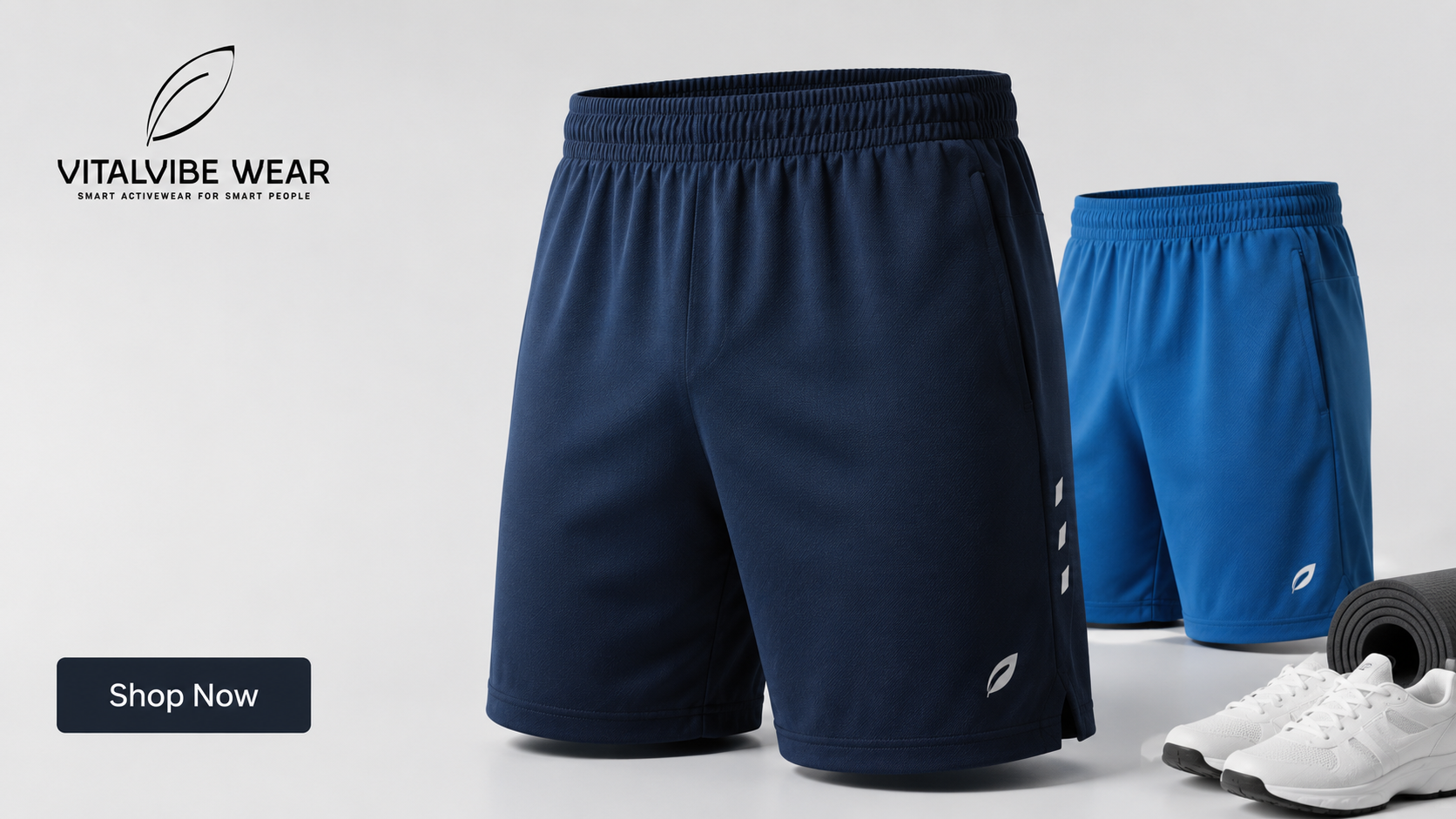
If you are looking for gym shorts that feel comfortable during training and look clean for daily wear, choose activewear shorts designed for movement, sweat control, and everyday fitness.
The right pair should support different activities like weight training, running, walking, HIIT, and casual activewear styling. It should feel light during workouts, comfortable during movement, and easy to wear throughout the day.
For regular gym-goers, it is always better to have more than one pair of workout shorts. This keeps your activewear rotation fresh and makes it easier to train regularly without depending on one pair.
You can explore gym shorts that match your workout needs, preferred fit, and daily style. Choose based on comfort first, then design.
How Many Gym Shorts Should You Own?
If you work out two or three times a week, two to three pairs of gym shorts may be enough. If you train almost every day, having four to five pairs is more practical.
This helps with washing, hygiene, and outfit rotation. It also allows you to keep different types of shorts for different activities. For example, one pair for running, one for weight training, one for leg day, and one for casual activewear use.
Having the right rotation also keeps your workout routine more comfortable and organized.
Final Thoughts: Choose Gym Shorts That Match Your Workout
The best gym shorts for workouts are the ones that match your training style, body movement, and comfort needs. Do not choose gym shorts only because they look good. Choose them because they help you train better and feel more comfortable.
For intense workouts, go for breathable and sweat-wicking shorts. For weight training and leg day, choose stretchable shorts with a secure fit. For running, choose lightweight and quick-dry shorts. For daily wear, choose activewear shorts that balance comfort, style, and movement.
A good pair of gym shorts should make your workout feel easier, not more distracting. When the fabric, fit, length, and comfort are right, you can focus more on your training and less on adjusting your clothes.
Explore our latest gym shorts and activewear collection to find a pair that fits your workout routine, movement, and everyday fitness style.
FAQs About Gym Shorts for Workouts
Q1. Which shorts are best for gym workouts?
The best shorts for gym workouts are breathable, stretchable, lightweight, and sweat-wicking. They should have a comfortable waistband, proper length, and enough flexibility for exercises like squats, lunges, running, and stretching.
Q2. Are 2-in-1 gym shorts good for workouts?
Yes, 2-in-1 gym shorts are good for workouts, especially for running, HIIT, and high-movement training. The inner liner gives extra support and may help reduce chafing during intense sessions.
Q3. What fabric is best for gym shorts?
Polyester-spandex or performance fabric blends are usually best for gym shorts. They are lightweight, breathable, stretchable, and better at managing sweat compared to heavy cotton.
Q4. Should gym shorts be tight or loose?
Gym shorts should not be too tight or too loose. They should fit comfortably around the waist and thighs while allowing full movement. A balanced fit is best for workouts.
Q5. What length is best for men’s gym shorts?
A 7-inch length is a good balanced choice for most men because it provides comfort, coverage, and movement. 5-inch shorts are better for running and high mobility, while 9-inch shorts offer more coverage.
Q6. Can I wear running shorts for gym workouts?
Yes, you can wear running shorts for gym workouts. However, for weight training and leg day, make sure the shorts offer enough stretch, coverage, and comfort for lower-body movements.
Q7. Are cotton shorts good for the gym?
Cotton shorts can be comfortable for light workouts or casual wear, but they may not be the best for sweaty workouts because cotton absorbs moisture and can feel heavy. For intense training, sweat-wicking gym shorts are usually better.
Q8. How many gym shorts should I own?
If you work out regularly, owning three to five pairs of gym shorts is a good idea. This gives you enough rotation for training, washing, and different workout types.